The Road to Axum
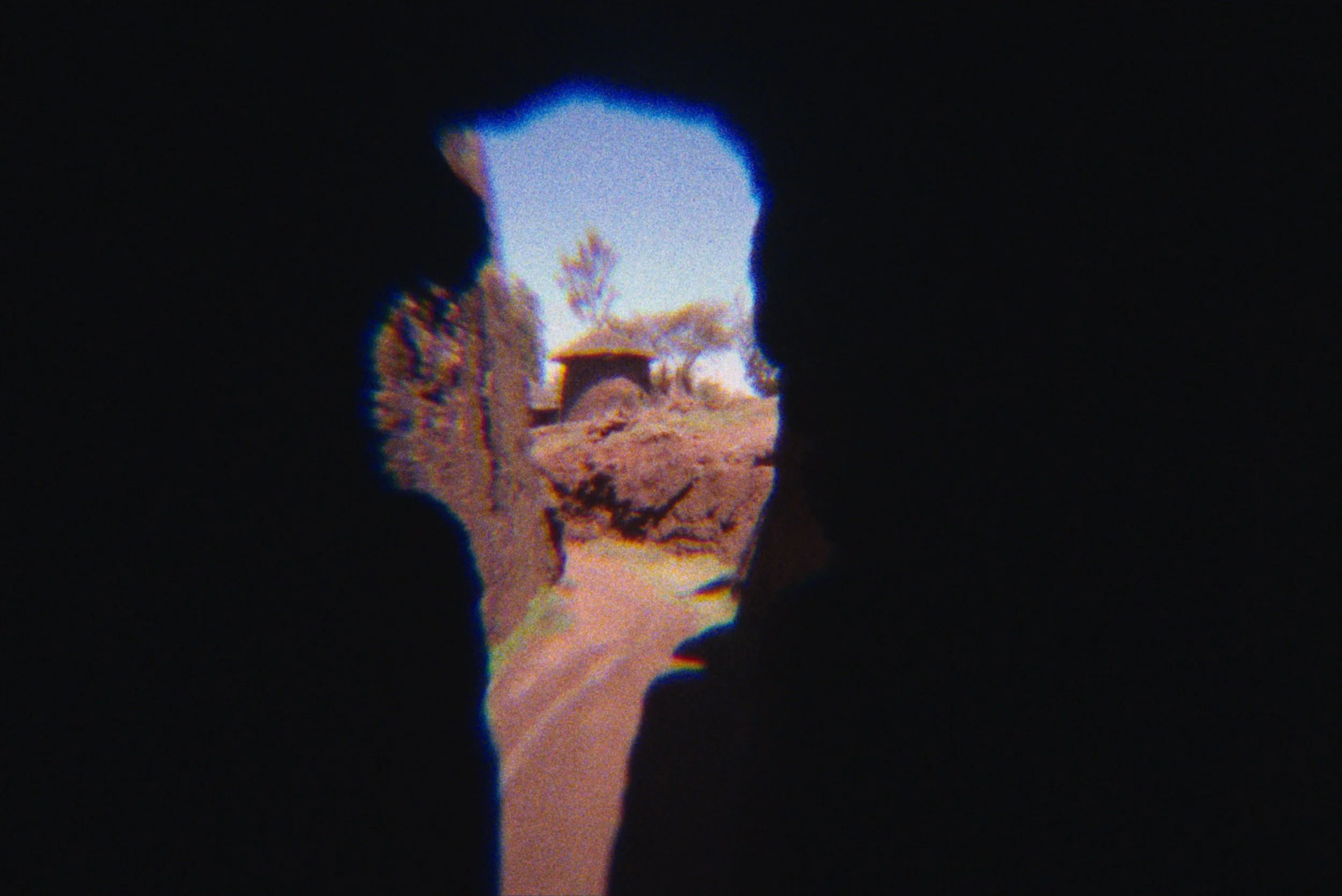
The ancient city of Axum sits at the northern edge of the Ethiopian highlands, surrounded by landscape that looks as though it has barely changed in a thousand years — volcanic rock formations rising from dust, terraced hillsides carved by generations of farming, roads that wind through gorges and disappear into haze. It is also, or was in 2015, a region in the middle of remaking itself. New roads were being cut through the escarpments. Buildings were going up half-finished on the edges of towns. Telephone poles marched across vistas that had been essentially unchanged for centuries.
These photographs were made during a journey through Tigray that year, travelling by road between Axum and the Gheralta highlands.
The recurring subject, though, is not the landscape. It is the children — on roadsides, on mountain paths, gathered wherever the car stopped. They approached without hesitation, looked directly into the camera, and vanished again as the road continued. Some images run close to portraiture; others catch them in motion, in groups, at a distance. Taken together they form something close to an accidental census of a generation.
Five years after these photographs were made, the Tigray conflict of 2020–2022 killed hundreds of thousands of people and displaced millions more, making it one of the deadliest wars of the twenty-first century. The region these images document was at its centre. The Road to Axum was not made in anticipation of that catastrophe. It is offered now with the knowledge of it.